Your Trusted Home Builder for Quality Dwelling Enhancements
A reliable construction expert serves an essential role in residential renovations. Their knowledge ensures projects are completed with precision and attention. By emphasizing quality materials and craftsmanship, they improve both aesthetics and worth. Clear dialogue and thorough preparation are essential for a seamless experience. However, many homeowners overlook key factors when selecting a contractor. Recognizing what to emphasize can make a significant impact in attaining a successful renovation. What should homeowners consider first?
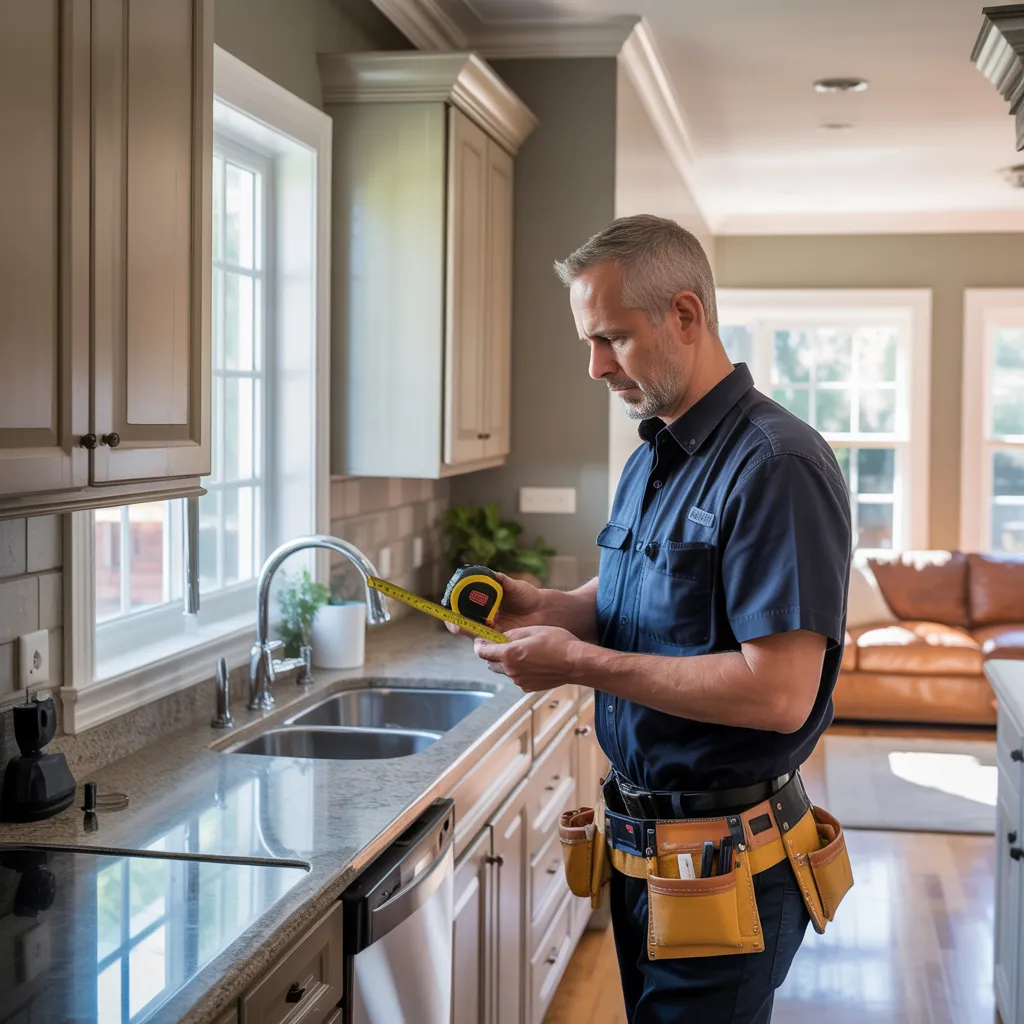
Important Considerations for Finding a Credible General Contractor
When initiating a home renovation undertaking, how can one guarantee they choose a reliable general contractor? First, individuals should seek recommendations from friends, family, or online reviews to find potential candidates. It is crucial to verify credentials, including permits and coverage, ensuring the contractor meets local regulations. Next, examining past work through portfolios or references offers insights into the contractor's workmanship and dependability.
Additionally, collecting multiple quotations can help you assess appropriate costs and construction schedules. Communication skills are equally critical; a contractor should be welcoming and attentive to client concerns. In addition, a solid contract detailing project requirements, timelines, and compensation arrangements protects both parties. Ultimately, go with your instincts; if a contractor looks unprofessional or vague, it may signal future issues. By following these guidelines, homeowners can substantially improve their probability of engaging a trustworthy general contractor, leading to successful home improvement projects.
Why a Local General Contractor Stands as Your Ideal Choice
Picking a regional general contractor can greatly enhance the success of house renovation projects. Local contractors possess invaluable knowledge of the locality, covering building codes, guidelines, and zoning laws, confirming compliance and effectiveness. Their established relationships with distributors and subcontractors can produce better pricing and prompt delivery to materials and skilled labor.
In addition, area contractors regularly copyright a reputation to copyright in the region, inspiring them to render premium work. This dedication to accountability reinforces trust and confidence among homeowners.
Furthermore, nearness supports improved communication and faster turnaround, which can be essential during a project. Homeowners can also collect recommendations from neighbors or friends who have worked with previously the contractor, supplying peace of mind. Overall, choosing a local general contractor not only bolsters the community but also enhances the overall quality and experience of home improvement projects.
A Detailed Guide for Your Residential Upgrade Undertaking
Starting a home improvement project requires careful preparation and implementation. Creating a work timeline is essential to guarantee that tasks are finished efficiently, while selecting high-quality materials can greatly affect the project outcome. This guide will detail these crucial procedures to assist homeowners navigate their renovation journey effectively.
Planning Your Project Schedule
A organized project timeline is crucial for effective home improvements, ensuring that every phase is completed properly. To begin, homeowners should outline the project's scope, detailing particular goals and desired outcomes. Next, they should consult with their general contractor to agree on a feasible timeframe based on the project's complexity and required tasks. Breaking the project into smaller phases facilitates better tracking and adjustments as needed. It is also important to consider potential delays, such as weather conditions or supply chain issues, which may impact the schedule. Regular check-ins with the contractor can help keep the project on track. Ultimately, a clear timeline encourages communication and sets expectations, leading to a more efficient home improvement journey.
Identifying High-Grade Resources
Picking premium supplies greatly influences the outcomes of home improvement jobs. To begin with, homeowners must identify the exact requirements of their project, considering factors like strength, aesthetics, and financial constraints. Exploring various material options is crucial; this involves learning about the benefits and drawbacks of each. Meeting with professionals can deliver important insights on reliable brands and suppliers.
Next, property owners should request samples to evaluate the appearance and texture of materials in person. Comparing prices across different suppliers can help guarantee competitive pricing without compromising quality. Finally, verifying that materials comply with local building codes is crucial for protection and adherence to regulations. By thoughtfully selecting materials, homeowners can improve both the lifespan and visual appeal of their renovations, ultimately adding value to their property.
Present Your Vision Like a Pro
Successful home enhancements often rely on the skill to communicate a precise vision. Homeowners should articulate their thoughts, inclinations, and expectations, ensuring applicable information that they communicate their preferences proficiently to their general contractor. A well-defined vision not only helps in coordinating the contractor's plans with the homeowner's aims but also expedites the selection process.
Visual elements like sketches or mood boards can considerably enhance exchange. They provide a tangible visual that demonstrates aesthetic preferences, color choices, and spatial layout. Also, fostering open dialogue encourages teamwork, permitting the contractor to ask for clarification and provide perspective.
Establishing achievable timelines and spending limits is equally essential. Property buyers should prepare to discuss obstacles transparently to avoid misunderstandings later. Ultimately, conveying a direction with clarity and confidence enables both parties, laying the way for accomplished project realization and satisfying results in residential improvement efforts.
The Worth of Quality Materials and Craftsmanship
For building projects, selecting durable materials has a major impact on a project's longevity and functionality. Equally significant is skilled craftsmanship, which makes certain materials are put to use well. Side by side, superior materials and professional expertise create results that prove lasting.
Long-lasting Material Options
A deliberate range of durable materials can markedly shape the lifespan and appearance of home improvements. Quality materials not only improve the look of a space but also confirm that renovations endure the test of time. Homeowners should prioritize materials with proven resilience, such as hardwood, stone, and high-grade metals, which resist wear and tear and environmental damage. Additionally, choosing materials suited to the local climate can avoid issues like rot or corrosion. Spending in resilient options may require a higher upfront cost, but the long-term benefits—fewer repairs and replacements—make it a sound choice. Ultimately, the right materials boost a home's value and overall satisfaction for years to come.
Recognizing the Importance of Skilled Craft
Quality artistry plays a crucial role in the triumph of property enhancements, complementing the selection of durable materials. Expert artisans guarantee that every component of a project is executed with exactness, improving both operational capacity and aesthetics. Meticulous attention in construction, from framing to finishing touches, adds significantly to the durability and performance of home features. Quality workmanship not only shows a commitment to outstanding quality but also prevents future issues, such as integrity concerns or appearance issues. Additionally, experienced contractors understand the nuances of various materials, ensuring they are applied effectively. Ultimately, investing in skilled craftsmanship leads to a more satisfying and durable result, enhancing the overall value of the home and the homeowner's experience.
Typical Home Improvement Blunders and How to Sidestep Them
Many homeowners face challenges during remodeling that can lead to costly setbacks and dissatisfaction. One common error is undervaluing the budget. Without a comprehensive budget outline, unforeseen costs can rapidly arise, compromising the project. Additionally, neglecting to secure required licenses can lead to fines and work stoppages, complicating the renovation process.
A common error involves rushing the process of making decisions. Hasty decisions about layout and design may lead to regrets later. Property owners frequently overlook the significance of employing qualified professionals, which can undermine the work quality and standards for safety.
In conclusion, communication breakdowns effectively with contractors may generate miscommunications and unmet expectations. To circumvent these challenges, homeowners should stress thorough preparation, secure the essential licenses, recruit experienced contractors, and foster active dialogue throughout the construction project. By managing these common oversights, homeowners can guarantee a smoother and more gratifying renovation process.
Tips for Selecting the Right Materials for Your Project?
How can homeowners guarantee they choose appropriate products for their renovation projects? First, they should assess the particular requirements of the space, taking into account factors such as performance, aesthetics, and longevity. Researching various materials is essential; homeowners should analyze options based on their appropriateness for the intended use and local climate conditions.
Working with a trusted general contractor can provide valuable insights into material choices, guaranteeing selections match both budget and design goals. Additionally, homeowners should emphasize environmental responsibility by exploring sustainable options that minimize environmental impact.
Ultimately, assessing specimens can assist in making informed decisions, enabling property owners to imagine how products will appear and perform in their space. By adhering to these guidelines, property owners can securely select products that enhance their remodel while guaranteeing quality and longevity.
Popular Inquiries Asked Regularly
What's the Best Way to Check a Contractor Licenses and Coverage?
To validate a contractor's credentials and coverage, one can review state licensing boards and insurance providers. In addition, obtaining documentation of licenses and insurance straight from the contractor guarantees authenticity and adherence to regulatory requirements.
What Is the Common Schedule Required for Domestic Enhancement Undertakings?
The typical duration for house renovation projects varies, often stretching from a few weeks to several months, relying on how complex the project is, magnitude, and required permits. Consultation with the contractor can help create a more accurate schedule.
Can I Remain in My Home During the Renovation Process?
Yes, one can reside in a home during remodeling, though it often relies upon the scope of the project. Minor renovations may allow for continued residence, while major work might require temporary relocation for comfort and safety.
What Payment Forms Do Contractors Generally Accept?
Contractors generally take a selection of ways to pay, encompassing cash, checks, credit cards, and digital payment platforms. Some may also extend financing programs, allowing clients adaptability in overseeing renovation costs and payment schedules.
How Do I Manage Disputes With My Contractor?
To manage disputes with a contractor, one should express yourself distinctly, record every exchange, and find common ground through discussion. If unresolved, mediation or court proceedings may be required to protect one's rights effectively.